
Domaine De Rotisson
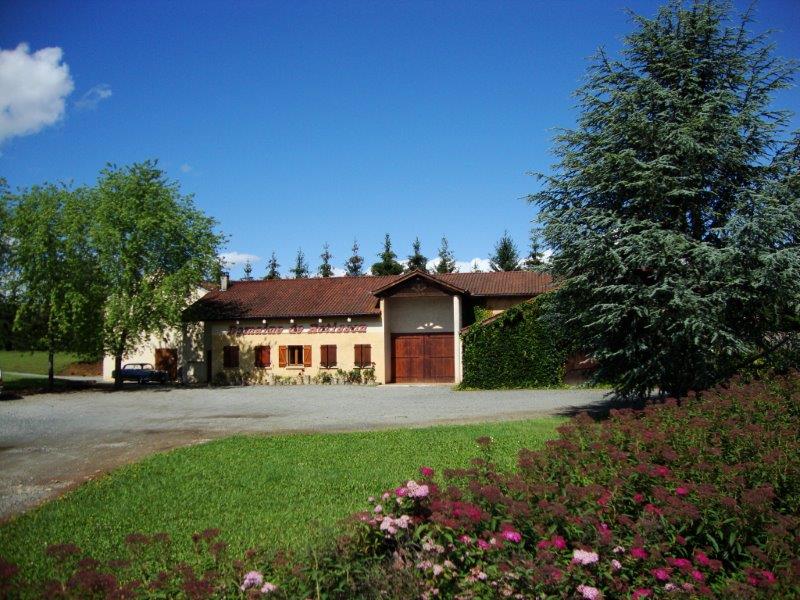
Located in the heart of the Pays des Pierres Dorées, in southern Beaujolais, the Domaine de Rotisson takes its name from an old local place name referring to a clearing where vines were planted. Taken over in 1998 by Didier Pouget and then in 2021 by a new group of ambitious entrepreneurs, the estate has embarked on...
2 products


Everything You Need to Know About Domaine De Rotisson
Located in the heart of the Pays des Pierres Dorées, in southern Beaujolais, the Domaine de Rotisson takes its name from an old local place name referring to a clearing where vines were planted. Taken over in 1998 by Didier Pouget and then in 2021 by a new group of ambitious entrepreneurs, the estate has undergone a profound transformation: a reduction in bulk wine production, an expansion of bottled wine production, and an ongoing transition to organic farming.
Grown on 25 hectares cultivated according to Terra Vitis principles since 2008—Gamay, Pinot Noir, and Chardonnay on clay-limestone soils—Rotisson’s wines offer generous, approachable Burgundies at prices that command respect. The wines from the flatlands are soft, while those from the hillsides are more tannic and suitable for aging.


