
Château Vessière
Located at the gateway to the Camargue, between Provence and Languedoc, Château Vessière is a family-owned estate that has been passed down through seven generations. Situated south of Nîmes, the vineyard covers approximately 65 hectares, cultivated using organic farming methods, on a terroir characterized by rounded pebbles, locally known as “gress” soils. These...
5 products


Everything You Need to Know About Château Vessière
Located at the gateway to the Camargue, between Provence and Languedoc, Château Vessière is a family-owned estate that has been passed down through seven generations. Situated south of Nîmes, the vineyard covers approximately 65 hectares, cultivated using organic farming methods, on a terroir characterized by rounded pebbles, locally known as “gress” soils.
These soils, combined with a Mediterranean climate tempered by Camargue influences, promote gradual ripening of the grapes and help preserve the wine’s freshness and balance. The vineyard benefits from good natural water regulation and abundant sunshine, while remaining well-ventilated, thus preventing overripening.
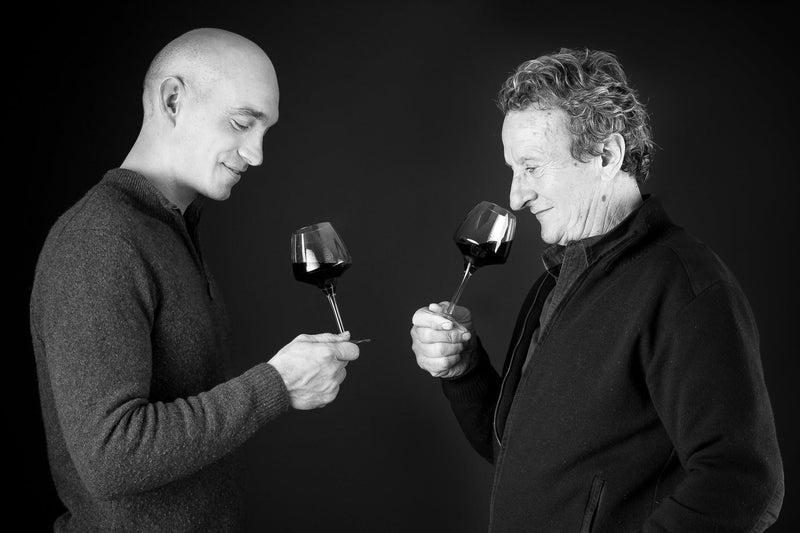
The estate’s modern history began in the late 1970s, when Philippe Teulon started bottling and marketing the wines. In 2007, Vincent Teulon took over the estate after completing his studies in oenology and gaining experience abroad, particularly in California. Together with Lucie Teulon, he began shifting practices toward more environmentally responsible viticulture.
The vineyard is now managed using organic farming methods, with a particular focus on minimizing inputs, promoting soil health, and allowing the grapes to express themselves as naturally as possible. Some vintages are vinified with very little or no added sulfites, in pursuit of purity and clarity of flavor profiles.
In the cellar, the winemaking process emphasizes precision and restraint. Extraction is carefully controlled to preserve supple tannins and a balanced structure, while aging enhances the wine’s body without masking the terroir’s identity. Château Vessière’s wines offer structured yet approachable Mediterranean profiles, where fruit, freshness, and drinkability take center stage.
The estate thus stands as a flagship property of the Costières de Nîmes, offering a cohesive and contemporary interpretation of this transitional region between the Rhône and the Mediterranean, while remaining true to its family heritage and natural environment.


