
Clos Troteligotte
Located on the Causse de Cahors, Clos Troteligotte spans approximately 19 hectares of vineyards situated at an elevation of nearly 350 meters, amidst a wooded environment. The estate has been managed organically since 2010 and biodynamically for several years, with a focus on preservation...
2 products


Everything You Need to Know About Clos Troteligotte
Located on the Causse de Cahors, Clos Troteligotte spans approximately 19 hectares of vineyards situated at an elevation of nearly 350 meters, amidst a wooded environment. The estate has been managed organically since 2010 and biodynamically for several years, with a focus on soil preservation and biodiversity.
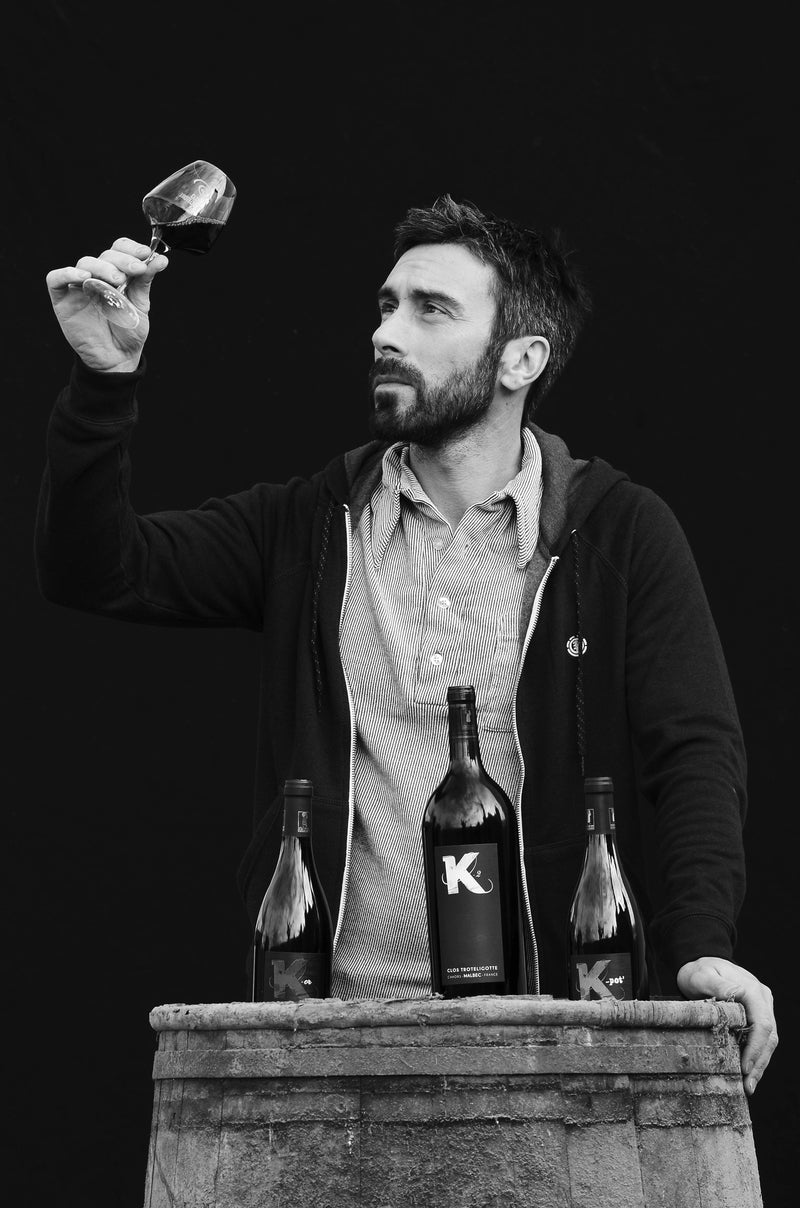
The vineyard is established on two primary types of clay-limestone terroirs identified within the causse: Kimmeridgian soils and iron-rich siderolithic soils. This geological diversity significantly shapes the wine profiles and necessitates a micro-parcel approach. The vines were planted starting in 1987, and the estate is currently managed by Emmanuel Rybinski, who has continued and enhanced the work initiated by the previous generation.
The Malbec grape varietal holds a central position, complemented by Merlot, Tannat, as well as rarer varietals historically present in Quercy, such as Chenin and Jurançon Noir. In the vineyard, the estate implements practices promoting biodiversity: agroforestry, eco-grazing, beehives, and the cultivation of plants dedicated to biodynamic preparations.
In the cellar, winemaking processes are conducted naturally, with limited interventions and no systematic addition of sulfites. The aging processes aim to preserve the wines' vitality and accurately convey the terroir characteristics. The cuvées are distinguished by their depth, balance, and a clear expression of the Cahors causse, offering a discerning and consistent interpretation of the appellation.


