
Région Champagne
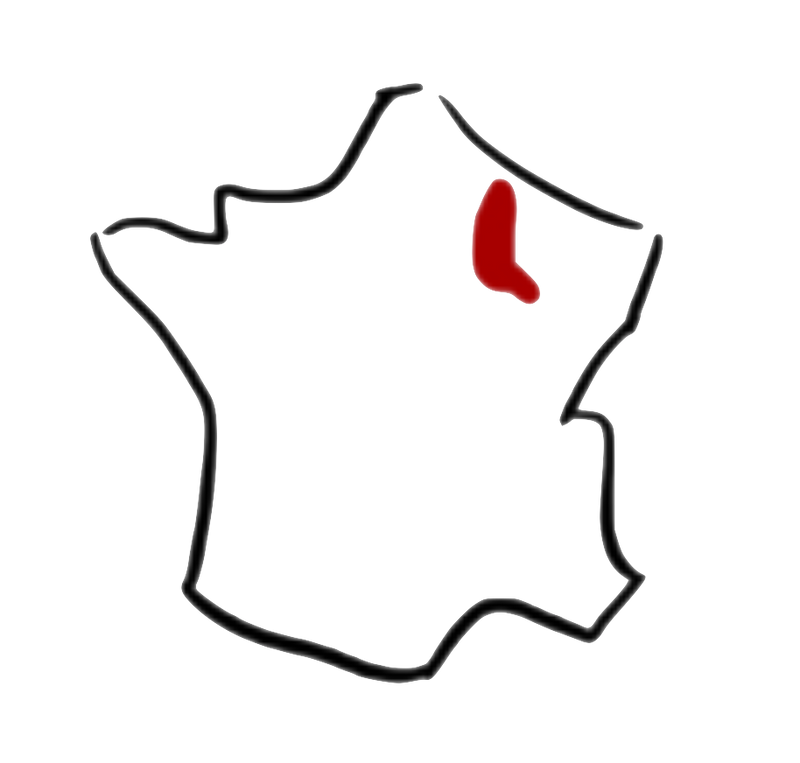
Champagne is a wine region located in northeastern France, exclusively dedicated to the production of sparkling wines under the Champagne appellation. This uniqueness stems from a precise combination of terroirs, grape varieties, climate, and a strictly regulated winemaking method. A strictly defined appellation The Champagne appellation benefits from a highly regulated AOC. The production area is precisely delimited, and the rules cover authorized grape varieties, yields, vineyard management, harvesting, and aging times...
Explore
By Colors
Explore our wines by color to find the style that suits you, from vibrant whites to intense reds, including delightful rosés.
Let us guide you
By Selections
Allow our expert selections and top picks to guide you in easily finding wines already validated by our team.
Grand Champagnes
Discover our selection of Grand Champagnes,...
Our Top Picks in Champagne
Our Top Picks in Champagne feature a...
Our Champagnes Under 35€
Enjoying a fine champagne doesn't necessarily...
Our Bestselling Champagnes
Our Bestselling Champagnes include the cuvées...
Our Organic Champagnes
Organic champagnes are increasingly appealing to...
Our Champagnes on Promotion
Explore our selection of champagnes on promotion...
Our Partners
By Estate
Explore our wines directly by estates and winemakers to encounter dedicated producers and their unique savoir-faire.
Laherte Frères
7 wines
→Champagne Olivier Marteaux
3 wines
→Champagne Leroy
4 wines
→Champagne Lelarge Pugeot
2 wines
→Champagne Julie Dufour
2 wines
→Champagne Gremillet
4 wines
→Champagne Françoise Bedel
5 wines
→Champagne Drémot Marroy
4 wines
→Champagne Drappier
3 wines
→Champagne Bourgeois Diaz
7 wines
→Champagne Bertrand-Delespierre
4 wines
→Champagne Waris-Hubert
1 wine
→Vincent Couche
5 wines
→Francis Boulard & Fille
6 wines
→Our Terroirs
By Appellation
Explore our wines categorized by appellation to discover different terroirs and easily identify your preferred regions and styles.
All Our Wines
55 products


All About the Champagne Region
Champagne is a wine region located in northeastern France, exclusively dedicated to the production of sparkling wines under the Champagne appellation. This uniqueness is based on a precise combination of terroirs, grape varieties, climate, and a strictly regulated winemaking method.
An Appellation with Strict Specifications
The Champagne appellation benefits from a highly regulated AOC (Appellation d'Origine Contrôlée). The production zone is precisely delimited, and the rules cover authorized grape varieties, yields, vine management, harvesting, and aging periods.
Three grape varieties are predominantly used:
-
Chardonnay, for its freshness and finesse
-
Pinot Noir, for its structure and power
-
Pinot Meunier, for its suppleness and fruitiness
Grape harvesting is exclusively manual to preserve the quality of the grapes.
The Champagne Production Method
Champagne is produced using the traditional method. Following a primary fermentation, the base wines are blended and then bottled for a secondary fermentation, known as prise de mousse (foaming), which facilitates the natural formation of bubbles.
The bottles then undergo aging on lees for a minimum of 15 months for non-vintage and 3 years for vintage Champagnes. This phase contributes to the effervescence's finesse and aromatic development.
Champagne Styles
Champagnes are distinguished by their blend and production method:
-
Blanc de blancs: exclusively made from Chardonnay grapes
-
Blanc de noirs: produced from black grape varieties
-
Rosé Champagnes: achieved through blending or maceration
The dosage, which refers to the amount of sugar added after disgorgement, also defines the style: brut nature, extra-brut, brut, sec, or demi-sec.
Crus and Vintages
Non-vintage Champagnes are crafted from a blend of several years' harvests, aiming for stylistic consistency.
Vintage Champagnes originate from a single harvest year and more accurately reflect the characteristics of that specific vintage.
Certain communes are classified as Premier Cru or Grand Cru, based on the recognized quality of their terroirs.
Champagne and Food Pairings
Champagne can accompany an entire meal.
Brut or Extra-Brut cuvées pair well with seafood, fish, and soft cheeses.
More structured Champagnes are suitable for poultry or more elaborate dishes.
Rosés and higher-dosage cuvées are ideal for desserts or sweet and savory pairings.
Champagne Estates to Discover
This selection highlights independent estates and houses that represent the diversity of Champagne styles:
These producers offer a range of Champagne profiles, from the most approachable to the most assertive, suitable for both initial discovery and regular tasting.


